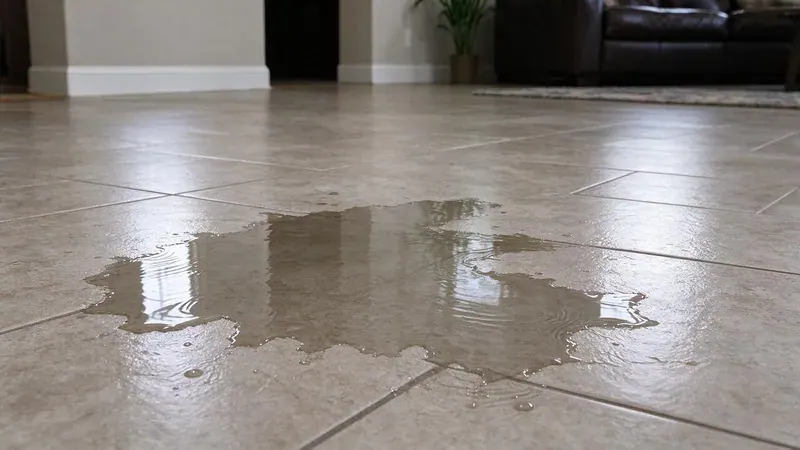
Understanding Slab Leaks in Colorado Homes
Slab leaks are a serious issue for homeowners across Colorado. Cycles of heat, humidity, and the occasional freeze can put stress on underground plumbing lines.
Dry air, intense sun, and big daily temperature swings put steady stress on pipes, fittings, and outdoor plumbing in Colorado.
Many homes are built on concrete slab foundations, which means the main water supply and drain lines often run beneath this slab. When one of these pipes develops a leak, it's called a slab leak. Because the leak is hidden, it can go unnoticed for a long time, causing significant damage to your home's foundation, flooring, and structural integrity. Knowing the warning signs is your best protection against extensive, expensive repairs.
Expansive clay soils are a well-known problem in parts of Colorado, swelling with moisture and heaving slabs, basement floors, and buried pipes.
Ground conditions under a home can shift and expand, adding pressure to buried pipes. Over time, this pressure, combined with factors like pipe age, corrosion from hard water, or slight ground movement, can cause a small crack or pinhole leak to develop. These leaks are typically in copper or PEX supply lines, or sometimes in PVC drain lines. Early detection is crucial to limit the scope of the damage and the complexity of the repair process.
Common Indicators of a Hidden Leak
Unexplained Spike in Your Water Bill
One of the most immediate and undeniable signs of a slab leak is a sudden and unexplained increase in your monthly water bill. If your family's water usage habits haven't changed, but your bill jumps significantly, it's a strong indicator that water is escaping somewhere it shouldn't be. Even a small drip can waste hundreds or thousands of gallons of water over a month, leading to a clear difference in your utility costs. Always compare your current bill to previous months or to the same month last year to spot these changes.
Warm Spots on Your Floors
If your hot water line is leaking beneath the slab, you might notice unusually warm areas on your floor, especially on tile or concrete surfaces. This warmth is the heat from the leaking hot water transferring through the slab. Walk barefoot around your home, paying close attention to any isolated warm spots. This can be a very specific clue that pinpoints the general location of the leak, helping plumbers focus their search using thermal imaging tools.
The Sound of Running Water
When your home is quiet, try listening for the faint sound of running or dripping water, even when all faucets are off and no appliances are using water. This sound, often described as a steady trickle or a soft hiss, can indicate water actively escaping from a pressurized pipe under your foundation. It's best to listen near exterior walls or in quiet rooms like bedrooms late at night when background noise is at a minimum.
Cracks in Your Foundation or Walls
Persistent water seepage under your slab can lead to serious foundation damage. The constant moisture can cause the soil beneath your home to swell, putting upward pressure on the concrete. This pressure can show up as new cracks in your home's foundation, walls, or even ceilings. You might also notice doors or windows that no longer close properly due to shifts in the foundation. These structural changes are serious and require immediate attention.
Mildew or Musty Odors
Constant moisture from a slab leak creates an ideal environment for mold and mildew growth. If you detect persistent musty odors in certain areas of your home, especially near the floor or in carpeted rooms, it could be a sign of hidden water damage. Even if you don't see visible mold, the smell alone indicates moisture problems that need a closer look. This is especially common in humid weather, when mold can thrive quickly.
When to Call a Professional
If you notice any of these warning signs, it's crucial to act quickly. Ignoring a slab leak can lead to extensive and costly damage, including structural issues, mold infestation, and much higher water bills. Fixing a slab leak involves special equipment for detection, such as acoustic leak detectors and thermal cameras, and often requires precise techniques like jackhammering through concrete or rerouting entire pipe sections. It's not a DIY job. For expert slab leak detection and repair anywhere in Colorado, contact GFR Plumbing at (720) 727-9398. Our experienced technicians are equipped with the right tools and knowledge to accurately locate and repair slab leaks, protecting your home from further harm.
- Unexplained increases in water bills.
- Warm spots or damp patches on your floors.
- The sound of running water when all fixtures are off.
- Visible cracks in your foundation or interior walls.
- Persistent musty odors or signs of mold.
Need a licensed plumber in Colorado?
GFR Plumbing answers 24/7 and offers same-day service across Colorado.