Understanding Colorado Winter Plumbing Risks
Hard freezes are a normal part of winter in Colorado, and pipes in exterior walls, crawlspaces, and garages are particularly vulnerable.
Whether a home sees a handful of cold nights or months of winter, a hard freeze can take many homeowners off guard. Homes in milder areas often aren't built with the same level of pipe insulation as those in the coldest parts of the country, and even well-built homes have weak spots. Exposed pipes in crawl spaces, outside walls, or garages without heat are particularly vulnerable. When water freezes, it expands, creating enormous pressure that can burst pipes, leading to significant water damage, expensive repairs, and a major headache. Understanding these risks is the first step toward effective prevention.
The Dangers of Freezing Temperatures
While a quick dip below freezing might not cause instant issues, sustained temperatures in the 20s or lower for several hours are when problems typically start. Many older homes, especially those with pier-and-beam foundations or crawl spaces, have more exposed plumbing lines than newer slab-on-grade construction. Even with slab foundations, outdoor spigots and lines running through exterior walls may be at risk. Ground frost can also affect shallowly buried lines if a freeze penetrates deep enough. Don't wait until the mercury drops to take action.
Essential Steps to Winterize Your Plumbing
Taking a few proactive steps can save you thousands of dollars in repairs and the inconvenience of a burst pipe. These measures are straightforward and can be done by most homeowners before the next cold snap arrives.
- Disconnect Garden Hoses: This is a simple but crucial step. Hoses left connected can trap water in the spigot and supply line, which will freeze and expand, often bursting the spigot itself or the pipe inside your wall. After disconnecting, drain any remaining water from the hose and put it away.
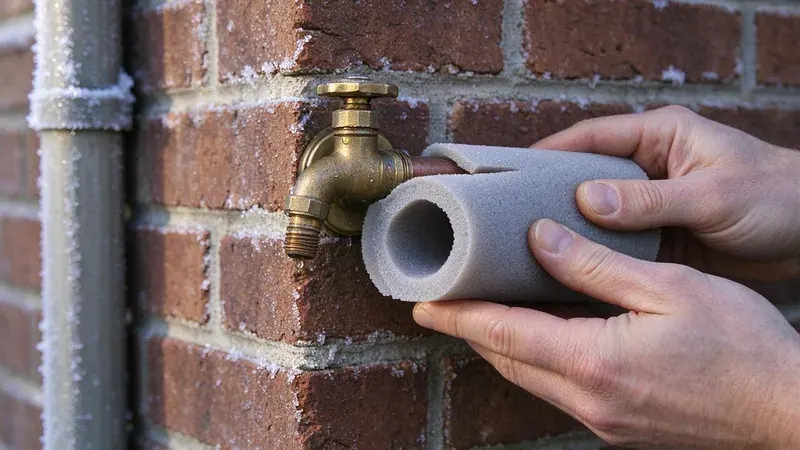
- Insulate Exposed Pipes: Focus on pipes in unheated areas like crawl spaces, attics, garages, and along exterior walls. Foam pipe insulation, available at any hardware store, is cheap and easy to install. You can also use heat tape, but follow the manufacturer's instructions closely to avoid fire hazards. Remember that even pipes in well-insulated parts of your home can freeze if they run through an unheated space for a short distance.
- Seal Air Leaks: Cold air infiltration through cracks in your foundation, around utility penetrations, or gaps in your exterior can expose pipes to freezing temperatures. Use caulk or expanding foam to seal these openings, especially in crawl spaces and basements. A little draft can make a big difference for an exposed water line.
- Open Cabinet Doors: For pipes under sinks that are on exterior walls, open the cabinet doors during a freeze. This allows warmer air from your home to circulate around the pipes, helping to prevent freezing. This is a common strategy for kitchens and bathrooms in Colorado homes.
- Let Faucets Drip: During severe freezes, a slow, steady drip from a cold water faucet can relieve pressure in your pipes, making them less likely to burst if water does freeze. This doesn't prevent freezing entirely, but it can limit the damage. A very thin stream, not a full flow, is all that's needed.
When to Call a Professional
While many winterization tasks are DIY-friendly, some situations call for the skill of a professional plumber. If you have complex plumbing systems, suspect a leak, or are unsure about the best way to protect your specific home, don't hesitate to reach out. GFR Plumbing is ready to help homeowners across Colorado prepare for winter. Our team can assess your home's specific vulnerabilities, recommend tailored solutions, and even perform professional winterization services to give you peace of mind. If you encounter a burst pipe, shut off your main water supply immediately and call us at (720) 727-9398 for emergency repair.
What if My Pipes Freeze?
If you turn on a faucet and only a trickle comes out, or no water at all, you likely have a frozen pipe. The first step is to locate the frozen section. Look for visible frost on pipes, or feel for cold spots. You can try to thaw the pipe using a hairdryer, a heat lamp, or even warm towels, but never use an open flame. Apply heat slowly and gently. If the pipe has already burst, you'll see water actively leaking once it thaws. In this scenario, immediately turn off your main water shut-off valve to prevent further damage and call GFR Plumbing right away. Addressing frozen pipes promptly can help limit the extent of the damage.
Long-Term Prevention Strategies
Beyond immediate winterization, consider long-term solutions for your Colorado home. Upgrading insulation in crawl spaces and attics, installing frost-proof outdoor spigots, or even relocating especially vulnerable pipe sections can offer lasting protection. For homes with older galvanized steel pipes, which are more prone to freezing due to internal corrosion, a re-pipe to PEX or copper might be a smart investment. These materials have better freeze resistance and can significantly improve your home's plumbing longevity. A professional assessment from GFR Plumbing can help you plan for these larger projects, ensuring your home is prepared for many Colorado winters to come.
Need a licensed plumber in Colorado?
GFR Plumbing answers 24/7 and offers same-day service across Colorado.