The Unwelcome Surprise: Why Your Kitchen Sink Backs Up
Few things are as annoying as a kitchen sink that won't drain. In Colorado, we see our fair share of these plumbing headaches, often due to a combination of what goes down the drain and the age of a home's plumbing system. Understanding the common culprits behind a backup can save you a lot of trouble and expense.
One of the biggest offenders is grease. When hot grease goes down the drain, it eventually cools and solidifies, clinging to the inside of your pipes. Over time, these grease deposits build up, narrowing the pipe's diameter and catching other debris, leading to a full-blown clog. Food particles, especially starchy items like rice or pasta, coffee grounds, and even small pieces of cutlery can also contribute to blockages. Older homes, particularly those built before the 1970s, might have cast iron drain pipes that are more prone to corrosion and buildup, making them even more susceptible to these issues.
Common Causes of Kitchen Sink Backups
- Grease Buildup: This is by far the most frequent cause. Cooking oils, fats, and grease should always be disposed of in the trash, not down the drain.
- Food Particles: Large food scraps, coffee grounds, and starchy foods can accumulate and create blockages, especially if your garbage disposal isn't used properly or isn't powerful enough for the waste.
- Soap Scum: Over time, soap residue can combine with mineral deposits from hard water to form a sticky film that traps other debris.
- Foreign Objects: Silverware, bottle caps, or even small toys can easily fall into the drain and cause an immediate, hard blockage.
- Tree Roots: For sinks that share a main drain line, tree roots can be a problem. While less common for kitchen sink issues, a serious root intrusion in your main sewer line can cause backups throughout your home, including the kitchen.
Many larger systems in Colorado draw on mountain snowmelt that runs fairly soft, while plains communities and groundwater sources often deliver harder water.
Preventing Kitchen Sink Backups
Prevention is always smarter than a cure, especially when it comes to plumbing. Here are some straightforward steps you can take to keep your kitchen sink flowing freely:
Mind What Goes Down the Drain: This is the golden rule. Never pour grease, oil, or fat down your sink. Scrape food scraps into the trash before rinsing dishes. Use a drain screen or stopper to catch any loose food particles. Even with a garbage disposal, avoid putting fibrous vegetables, potato peels, or large quantities of anything starchy down the drain.
Regular Maintenance: A monthly flush with hot water and a cup of baking soda followed by a cup of vinegar can help break down minor grease and soap scum buildup. Let it sit for 30 minutes to an hour, then flush with more hot water. This isn't a miracle cure for a major clog, but it can help prevent one from forming.
Use Your Garbage Disposal Wisely: If you have one, run cold water before, during, and after using it. This helps flush the waste through the pipes. Avoid overloading it and never put non-food items in it.
Quick Solutions for Minor Clogs
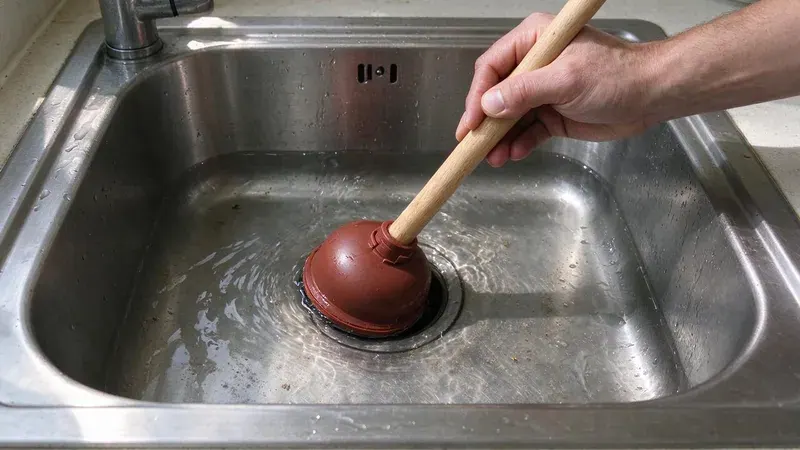
If you're facing a minor backup, there are a few things you can try before calling a professional. A plunger is your first line of defense. Fill the sink with a few inches of hot water to create a seal, then pump vigorously. Often, this can dislodge a simple food or grease clog.
For slightly tougher clogs, a mixture of baking soda and vinegar can sometimes help. Pour a cup of baking soda down the drain, followed by a cup of white vinegar. Let it sit for 20 to 30 minutes, then flush with hot water. The chemical reaction can help break down organic matter. Avoid harsh chemical drain cleaners, as they can damage pipes, especially older ones, and are often useless against severe clogs.
When to Call a Professional
While DIY solutions can work for minor clogs, there are times when you need the expertise of a professional plumber. If your sink is completely backed up, if the water is draining very slowly even after your best efforts, or if you notice foul odors or other drains in your home are also backing up, it's time to call GFR Plumbing.
These symptoms can point to a more serious issue, such as a deep-seated clog beyond the reach of a plunger, a problem with your garbage disposal, or even a main sewer line issue. Our skilled technicians have the tools, like augers and hydro-jetting equipment, to clear even the most stubborn blockages without damaging your pipes. We understand the plumbing challenges in Colorado homes, from hard water issues to aging infrastructure. Don't hesitate to reach out to GFR Plumbing at (720) 727-9398 for dependable and efficient service. We're here to help keep your kitchen working the way it should.
Need a licensed plumber in Colorado?
GFR Plumbing answers 24/7 and offers same-day service across Colorado.